Arizona is one of the best places in the country to invest in solar energy because of its year-round sunshine. It’s also the sixth-largest state in our country. However, you can only reap lofty returns if you don’t overlook the fact that sunlight comes with dust, pollen, and bird poop.
Dirty solar panels in Arizona could be costing you a lot of money if you consider how much energy you’d be generating at the optimal efficiency you can only reach with clean panels. Remember, sunshine is sufficient year-round, so clean panels could outpace your energy needs. However, a thin layer of grime and dust can significantly impair energy conversion.
Let’s look at the extent of the problem faced by solar panel owners in Arizona. A good start is exploring how solar panel power conversion works.
Do Dirty Solar Panels Produce Less Energy?
Yes, dirty solar panels produce much less energy than when they’re clean. So, how much electricity do dirty solar panels lose?
According to NREL.gov, solar panels lose between 7%-50% of the energy they’re supposed to produce if they’re dirty. The amount of energy lost depends on:
- The type of solar panel.
- The location.
- How often do you clean it?
What Dirt Actually Does to Solar Panels
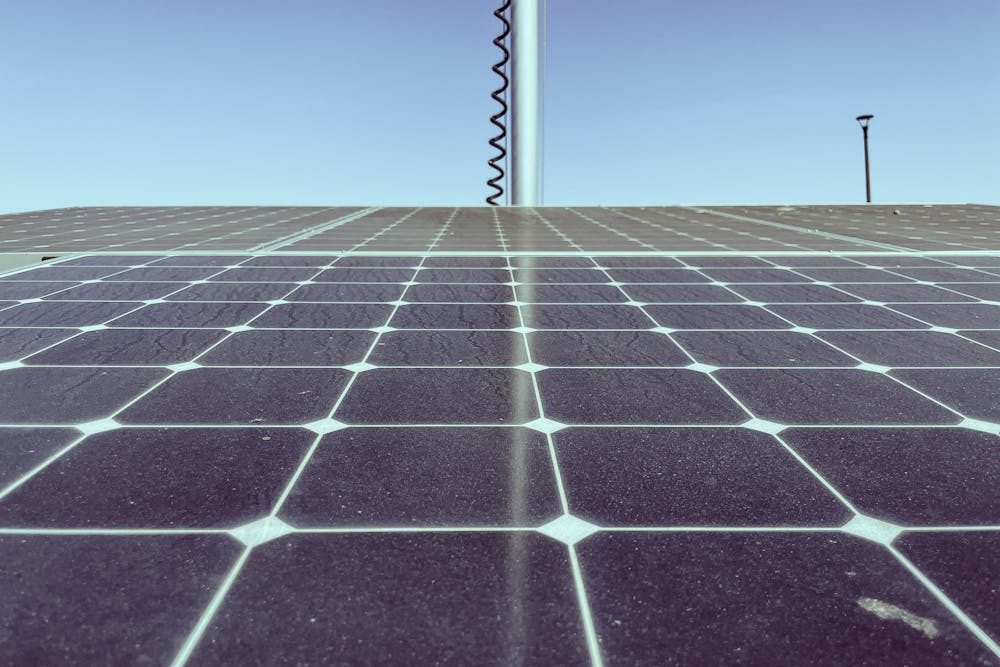
Solar panels require access to direct sunlight to convert it into electricity. Anything that lands on your solar panel and stays there will block sunlight from reaching the panel’s photovoltaic cells.
Common types of dirt that accumulate on solar panels include:
- Dust.
- Pollen.
- Bird droppings.
- Tree sap.
- Air pollution residue.
Effects of Different Types of Dirt on Solar Panel Efficiency
Different types of dirt have varying impacts on solar panel efficiency. For example, bird droppings reduce energy production more than other contaminants, such as leaves or pollen.
Apart from forming a denser shade, bird poop can also damage your panels because it contains corrosive uric acid.
Why Small Losses Cost More Than You Think
To some, a 17% drop in production might not sound like much. However, you’d be alarmed if you counted how much energy potential you’ve lost over the year. It could mean the difference between total freedom and relying on the grid for costly energy.
In summer, air conditioners run nonstop, and utility rates hike. So, dirty solar panels can quietly wipe out a chunk of the savings solar was supposed to deliver.
Why Arizona Homes See Faster Loss
Despite having abundant sunlight, Arizona’s solar panels struggle with:
- Constant dust.
- Construction debris.
- Monsoon storms that leave behind muddy residue all contribute to faster buildup.
So, clean your solar panels regularly to enjoy the full potential of solar energy.
Why Solar Panels Get So Dirty in Arizona
1. Desert Dust Builds Up Fast
Arizona dust isn’t light or harmless. It’s fine, gritty, and constantly in the air. Even on calm days, dust settles on solar panels, and humidity can cause it to stick and accumulate.
Remember, the best position for solar panels is at an angle, so it’s unlikely to slide off before sticking. The dust layer grows from thin to thick as the photovoltaic cells receive less and less sunlight, which is abundant.
2. Monsoon Storms Leave a Mess
Monsoon season doesn’t solve the problem. Many people assume rain will wash solar panels clean, but in desert environments, that’s rarely the case.
We’ll cover this in more detail in a later section, especially how rain makes things muddier and worse, not cleaner and better.
3. Bird Droppings and Organic Debris
As we said earlier, bird poop is the worst enemy of solar panels. Just a small spot is likely to significantly affect the panel’s production.
Fortunately, bird spikes around your solar panels can prevent them from perching. However, that’s not the only type of organic debris to worry about.
Leaves, pollen, and dust can also obstruct the solar panels and affect their efficiency. All organic debris is more concerning than dust because of moisture content, which can cause short circuits on the panels.
Therefore, always keep an eye out for any signs of bird droppings or organic debris on your solar panel system and clean them regularly.
4. Hard Water Makes Things Worse
Of course, rain is soft water, and the only way hard water ends up on your solar panels is when you use hard water to wash your panels.
Hard water is mineral-rich, containing calcium, magnesium, limestone, and other minerals. When you use it to wash your panels, it evaporates, leaving behind a layer of mineral deposits on the surface.
This buildup can reduce the efficiency and lower energy production.
Can Rain Clean Solar Panels Effectively?
No, rain only makes the situation worse, and it can’t clean your solar panels effectively.
Why Rain Doesn’t Do the Job
Rain might knock loose some surface dust, but it doesn’t actually clean solar panels. In Arizona, rainwater mixes with airborne dust, forming a thin layer of grime.
When the water dries, it leaves residue behind, not a clean surface. The panels may look better from the ground, but they’re still not getting enough sunlight.
Rain Can Lower Efficiency, Not Improve It
Rainfall reduces solar panel efficiency. It only washes away a little dust, soaking the rest to make muddy spots that deflect the much-needed sunlight.
It also creates uneven coverage, reducing energy production across the panel, especially during peak sunlight hours.
Why Arizona Is Different From Other States
In wetter climates, frequent rain can help rinse panels occasionally. Arizona doesn’t get that benefit.
Extended dry periods allow dust to accumulate, and when rain finally comes, it bakes the residue onto the glass. That’s why we’re discouraging you from relying on rain instead of proper solar panel cleaning.
The Best Way to Clean Solar Panels (Without Damaging Them)
It’s tempting to grab a hose or a squeegee and handle it yourself, but solar panels aren’t like windows or car windshields.
Walking on the roof creates safety risks, and using the wrong tools can scratch the glass or damage the panel coating. Even small scratches reduce the amount of sunlight the panel absorbs.
Water Alone Isn’t Enough
Spraying panels with tap water might remove loose dust, but it usually leaves mineral spots behind, especially with Arizona’s hard water.
Those minerals dry quickly in the heat and create a cloudy film that blocks sunlight just as much as dirt does.
The Right Tools Make the Difference
You need soft brushes, purified water, and controlled pressure to safely and effectively wash solar panels.
This combination lifts dirt without grinding it into the surface or leaving residue behind. It also cleans the entire panel evenly, restoring full sunlight exposure.
Why Professional Cleaning Protects Your Investment
Professional solar panel cleaning avoids common mistakes that lead to long-term damage. Trained technicians know how to clean panels safely, reach every section of the array, and leave no residue behind.
Regular professional cleaning keeps your system running efficiently, maximizing your return on your solar investment.
How Often Should You Clean Solar Panels in Arizona?
The idea is to clean your solar panels for maximum efficiency. Some solar panels get dirty faster than others.
Location, roof angle, nearby roads, construction, and landscaping all play a role. A home near open desert or active construction will see buildup much faster than one in a quieter area.
Why Arizona Panels Need More Frequent Attention
Our dry climate allows dust to settle and stick. Without regular rainfall to rinse panels off, grime accumulates quickly.
Many homeowners are surprised at how dirty panels get in just a few months, especially during spring winds and monsoon season.
General Cleaning Guidelines for Arizona Homes
Most Arizona homeowners benefit from solar panel cleaning at least three times a year, especially when summer begins. Homes in dust-heavy areas may need more frequent service to prevent ongoing efficiency loss and higher energy bills.
Wipe off bird droppings as soon as you notice them, even if you have to do it every dozen days.
Signs Your Panels Are Overdue for Cleaning
Maybe it’s time for some cleaning if your electric bill starts creeping up, or your system isn’t producing what it used to.
Visible dust, water spots, or bird droppings are clear signs that your panels aren’t operating at full capacity.
Is Professional Solar Panel Cleaning Worth the Cost?
Yes, for the following reasons;
1. The Cost vs. What You Get Back
Paying professionals to clean your panels costs much less than you’d expect, more so in comparison to the benefits it brings.
When panels regain even 10–20% of lost efficiency, over time, the increase in production is more profitable despite the t cleaning costs. In Arizona, where air conditioning drives up energy use, those gains matter.
2. Energy Savings Add Up Over Time
The benefits are long-term, as you get much better energy output for a long period before the dust accumulates again. So, you’ll be much less reliant on the grid, especially during peak summer months when solar matters most.
3. It Extends Panel Lifespan
Professional cleaning also helps protect the system. Removing baked-on dirt and mineral scales reduces surface wear.
You’re striking two birds with one stone: extra output and extended lifespan.
4. Peace of Mind Matters Too
Hiring professionals eliminates safety risks and guesswork. The perks are:
- Insured Professionals.
- No climbing on the roof.
- No worrying about damaging expensive equipment.
Why Arizona Homeowners Trust ClearCo for Solar Panel Cleaning
Timely professional cleaning keeps your system producing the power you expect, especially during the hottest months when performance matters most.
ClearCo Window Cleaning has been helping Arizona homeowners and businesses protect their investments since 2003. With over three million panes of glass and solar panels cleaned, our technicians understand how desert conditions affect solar performance and how to clean panels safely without causing damage.
We don’t leave any residue behind either. We take pride in our work, and it shows in every system we serve.